Know-How
Explore our comprehensive range of high-quality certified thermostats and thermal protection solutions.
The full library
Browse all guides
Comparisons, selection guides and application notes for the certified TK-series range.
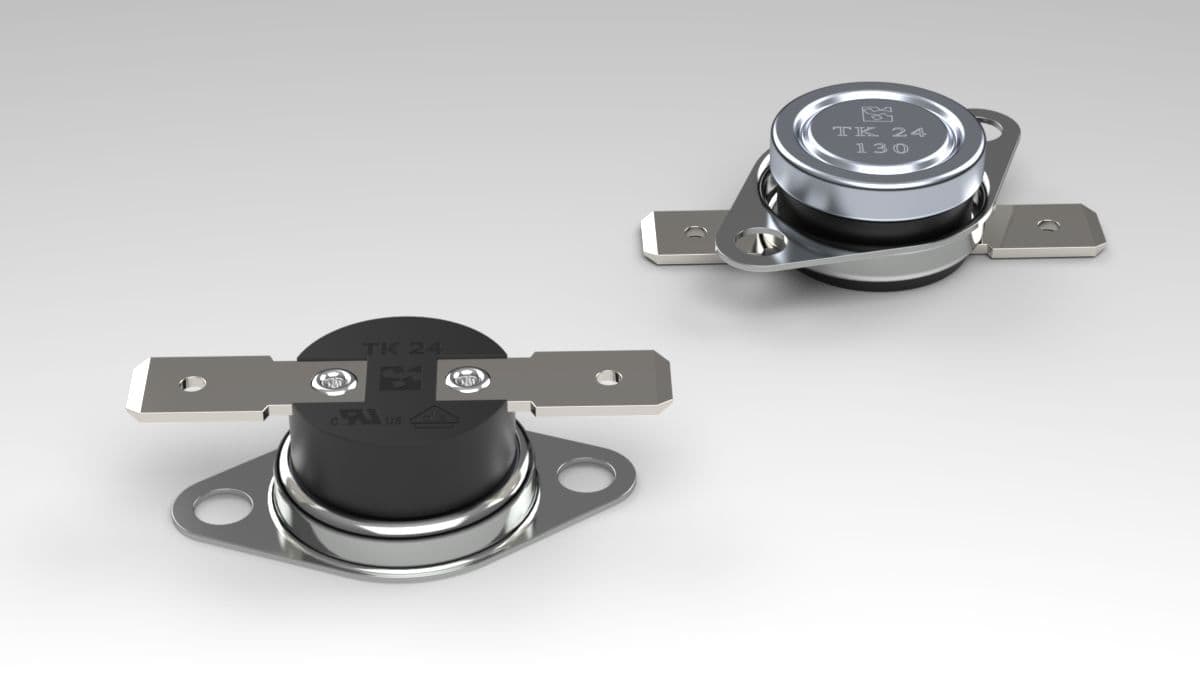
TK24 or TK24HT
TK24 is a versatile ½-inch thermostat that handles higher currents (16 A/10 A) up to 200 °C, with contacts configurable to open or close on temperature rise and IP64 sealing when required. TK24HT trades current capacity for extreme-temperature endurance, surviving to 425 °C with a fixed “opens-on-heat” contact scheme, ±6 °C tolerance and IP4X protection. In short: choose TK24 for mainstream 200 °C duty with better sealing, and TK24HT for high-heat safety cut-outs where lower current is acceptable.
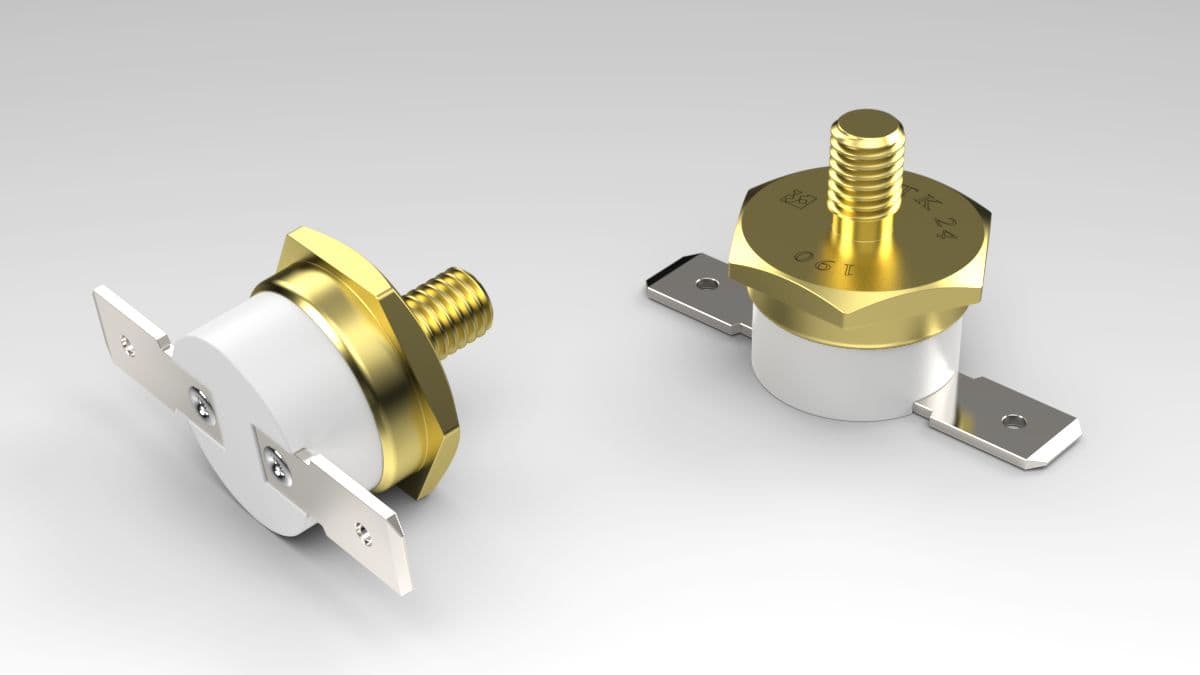
Parameters overview
This reference piece walks through 14 critical parameters—rated voltage/current, temperature range and hysteresis, cycle life, insulation strength, IP rating, power factor, and reset style—that govern a bimetal thermostat’s safety, accuracy, and longevity. Each parameter is defined, its design impact explained, and typical values given (e.g., ≤250 V, 100 000 cycles, ±3 °C tolerance). Taken together, the list serves as a designer’s checklist for matching a thermostat to demanding consumer or industrial applications.
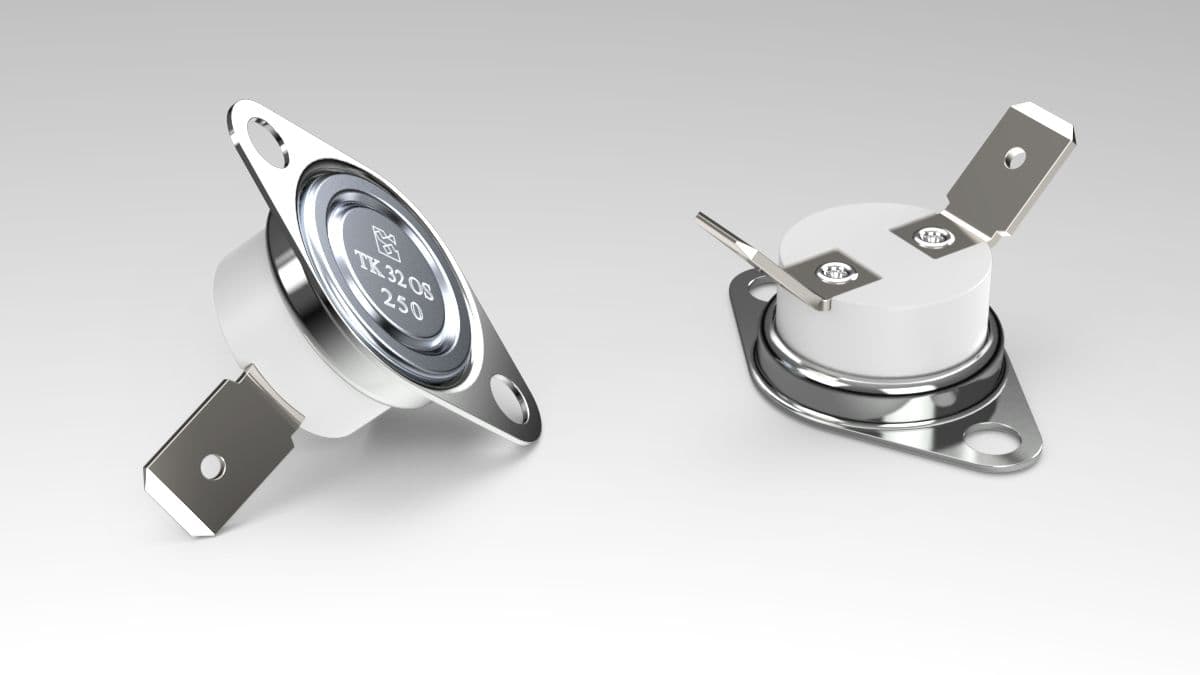
TK32 or TK32OS
Both TK32 limiters break the circuit between 30 °C and 250 °C, but TK32 resets manually after cooling while TK32OS is a one-shot device that stays open permanently. TK32 therefore suits equipment that a technician can inspect and re-activate, whereas TK32OS guarantees a non-restartable shutdown in fire-safety, medical, or chemical systems. Accuracy is similar (±3 °C/±6 °C), so the decisive factor is whether the application must allow or forbid reset.
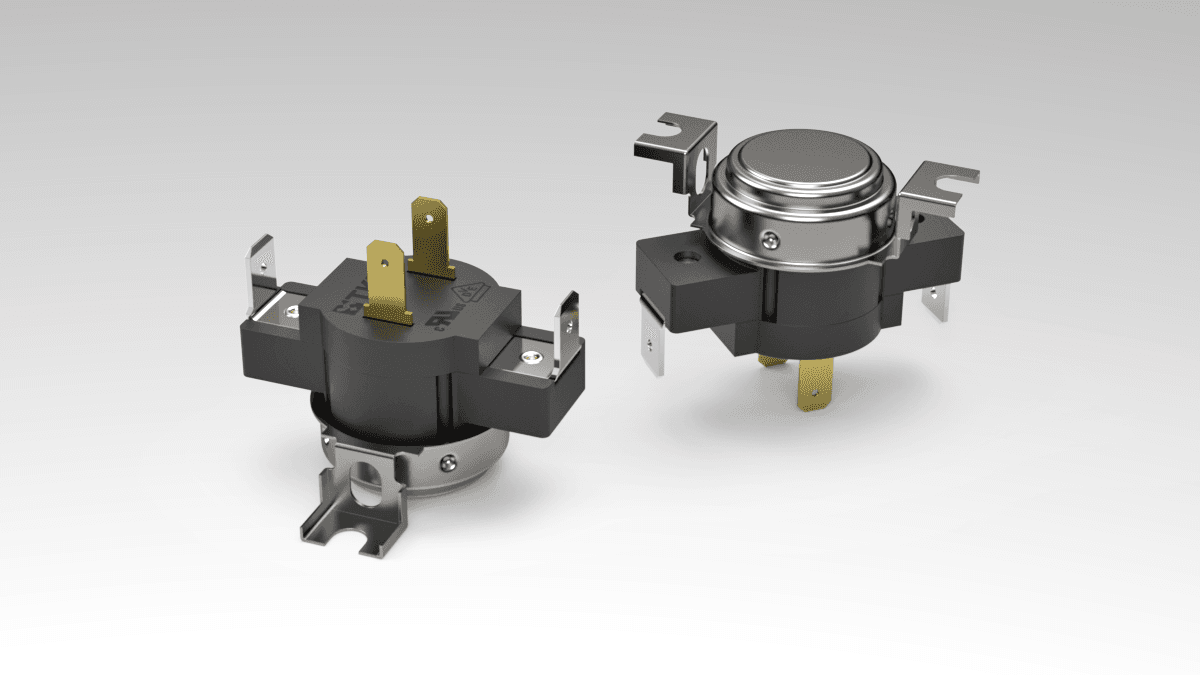
Variants of TK34
The TK34 family shares a bimetal disc core and full customisation, yet differs in reset mode and current rating: TK34A is automatic-reset and carries up to 45 A; TK34R adds an internal heater for faster, targeted switching up to 25 A; TK34M requires a manual reset and handles 40 A for safety-critical scenarios. All models cover roughly –25 °C…120 °C and exceed 100 000 cycles at moderate loads, making them drop-in solutions from consumer heaters to industrial motors. Selecting the variant is essentially a trade-off between hands-off convenience, response speed, and the need for operator inspection.
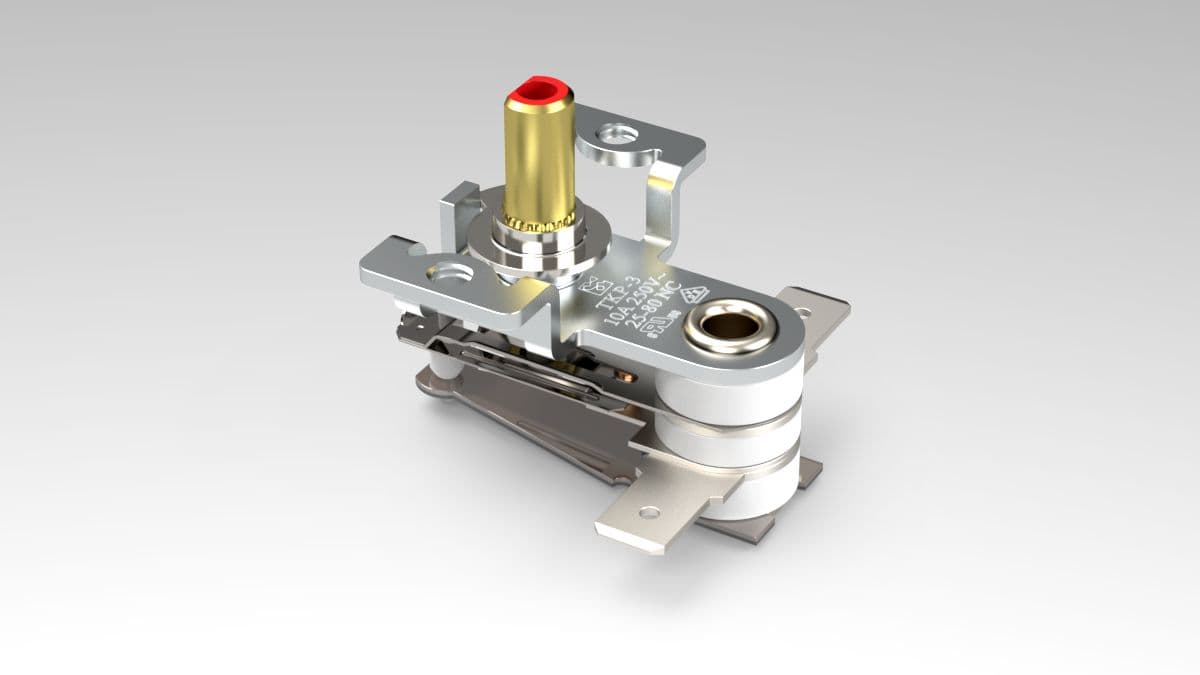
TKP or TKPCS
TKP and TKPCS are shaft-adjustable, automatically reset thermostats rated up to 16 A and 250 VAC, but TKP offers finer tolerances (±3 °C…±10 °C), reset offsets from 5 °C to 15 °C, and operation down to –45 °C. TKPCS adds current sensitivity, uses dual “Low/High” tolerance bands (±20 °C/±10 °C) with a fixed 15 °C reset, and has higher contact resistance (0.15 Ω) that is acceptable in power-regulation roles. Engineers pick TKP when tight thermal control or sub-zero service is paramount, and TKPCS when load-dependent trip behaviour and simpler calibration are more valuable.
TK77DC for DC Circuits
The TK77DC bimetal thermostat is purpose-built for direct current circuits operating at 12 V, 24 V, and 48 V with up to 16 A. Unlike AC thermostats, it employs arc-suppression geometry suited to DC breaking characteristics. It covers −45 °C to 130 °C, fits the same half-inch footprint as the TK24, and automatically resets on cooling. Typical applications include battery management systems, EV thermal protection, solar panel junction boxes, UPS equipment, LED drivers, and telecommunications hardware.
High-Current Thermostats: TK224 & TK232
The TK224 and TK232 extend the Thermorex bimetal family to 25 A industrial duty. Both cover −45 °C to 200 °C with ±3 °C or ±6 °C tolerance and automatic reset, making them suitable for compressors, large motors, HVAC systems, industrial ovens, and power distribution panels. TK232 offers a larger housing with screw-terminal connections for heavy-gauge wiring, while TK224 follows the standard form factor. This guide compares both models with the TK24 and explains when to step up to high-current protection.
Thermostat Mounting Options Guide
Thermorex thermostats are available in a range of mounting configurations coded MG1 through MG6: snap-in clip, screw flange, threaded stud, adhesive pad, press-fit, and strap or clamp. The mounting code determines how the device attaches to the protected component and how reliably heat transfers to the bimetal disc. This guide explains each MG code, the terminal styles that accompany them, and the selection criteria — surface geometry, vibration, IP requirement, and ease of replacement — that point to the right choice for any application.
How to Choose the Right Thermostat
With sixteen models spanning −45 °C to 425 °C, 12 V DC to 250 V AC, 6.3 A to 45 A, and automatic or manual reset, selecting the correct Thermorex thermostat can be daunting. This buyer guide breaks the decision into five steps: temperature range, voltage and current, reset type, contact configuration (NC vs NO), and mounting method. A quick-reference table maps every model to its key parameters so engineers can shortlist candidates in minutes and request a factory-calibrated sample for the exact set point needed.
From the catalogue
Explore the thermostats behind the guides
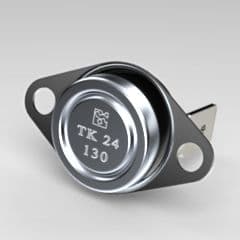 -45…200 °C
TK24
1/2" bimetal switch that responds to temperature rise or fall used to maintain a desired temperature between two designated values.
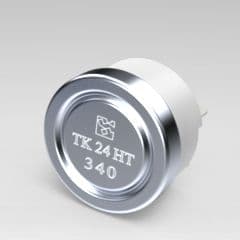 200…425 °C
TK24HT
1/2" bimetal switch for high temperatures used to maintain a desired temperature between two designated values.
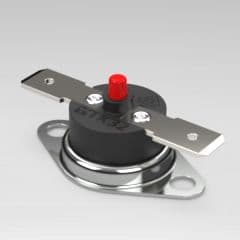 30…250 °C
TK32
1/2" bimetal temperature limiter with manual reset which is dedicated to prevent overheating disconnecting the circuit.
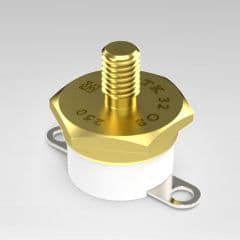 30…250 °C
TK32OS
One-shot 1/2" bimetal temperature limiter which is dedicated to prevent overheating disconnecting the circuit.This is device is working as thermal fuse.
-40…170 °CTK77DC
3/4" bimetallic thermostat that responds to temperature rise or fall used to maintain a desired temperature between two designated values.Dedicated for switching DC load.
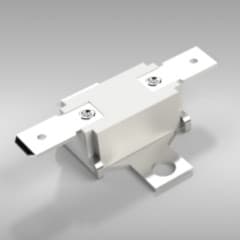 30…190 °C
TK124
Bimetallic temperature sensitive switch or cyclic operation device with automatic reset control - blade thermostat.
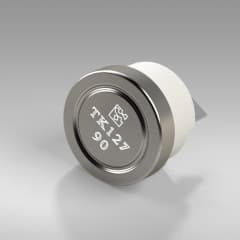 30…200 °C
TK127
Bimetallic temperature sensitive switch with 12,7 mm size with automatic reset control. Ceramic body miniature thermostat.
-25…190 °CTK224
3/4" bimetal two-pole switch that responds to temperature rise or fall used to maintain a desired temperature between two designated values switching automatically on off 2 pole of electrical circuit.
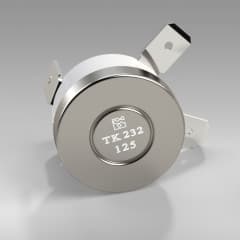 50…190 °C
TK232
3/4" bimetal two-pole thermal limiter that responds to temperature rise used to prevent for overheating device. This temperature sensitive element automatically switching off 2 pole of electrical circuit.It is not self regulating - requiring manual reset for safety reasons.
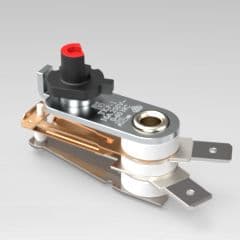 -45…250 °C
TKP
Adjustable thermostat TKP family is a temperature-sensitive switch that controling set temperature by automatically switching the power supply on or off. This is dedicated to heating and colling systems withvarious if options.
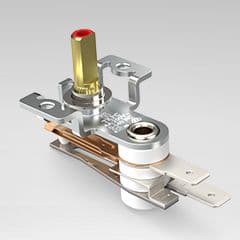 -45…250 °C
TKPCS
Adjustable thermostat TKP family is a temperature-sensitive switch current sensitive that controling set temperature by automatically switching the power supply on or off. This is dedicated to heating and colling systems with various if options and it can be used also as regulator of energy.
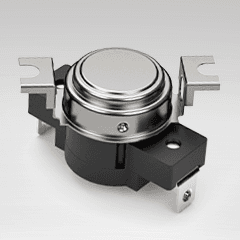 -25…120 °C
TK34A
3/4" bimetal switch that responds to temperature rise or fall used to maintain a desired temperature between two designated values switching automatically on off of electrical circuit. This thermostat can be used in high current applications (up to 45A )
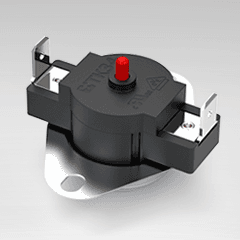 50…120 °C
TK34M
3/4" bimetal thermal limiter that keeping to temperature under set value preventing for overheating the circuit. After actuation it is required to manual reset.This thermostat can be used in high current applications (up to 45A )
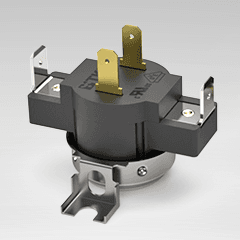 -25…120 °C
TK34R
3/4" bimetal switch that responds to temperature rise or fall used to maintain a desired temperature between two designated values switching automatically on off of electrical circuit.It Internal resistance heater included.This thermostat can be used in high current applications (up to 45A )
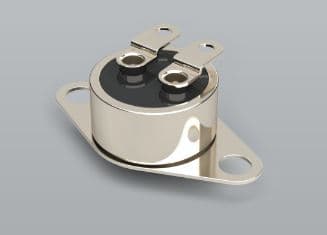 -30…180 °C
TK-AA-01
Bimetal hermetic temperature sensitive switch or cyclic operation device with automatic reset control
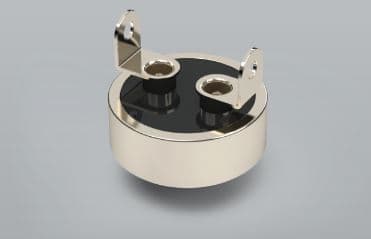 -30…180 °C
TK-AA-02
Bimetallic temperature sensitive switch or cyclic operation device with automatic reset control